

- Community and Citizen Preparedness
- MIT MOD
- Regional Notifications System (WarnCentralTexas)
- Regional Preparedness & Plans
- WebEOC
Citizen Corps
Citizen Corps is FEMA’s grassroots strategy to bring together government and community leaders to involve citizens in all-hazards emergency preparedness and resilience. The goal is to have all citizens participate in making their communities safer, stronger, and better prepared for preventing and handling threats of terrorism, crime, and disasters of all kinds. The Citizen Corps Program benefits first responders by creating well trained, better informed, and better prepared citizens to take care of themselves and others during times of crisis – allowing first responders to address the most critical needs. There are five different citizen corps programs which include Community Emergency Response Team (CERT), Fire Corps, Medical Reserve Corps (MRC), USAonWatch-Neighborhood Watch, and Volunteers in Police Service (VIPS).
Learn about each citizen corps program.
Through Homeland Security Grant Program funds, the CAPCOG Region has funded a position to coordinate the citizen corps programs located in the 10-county region and identify activities for citizen preparedness. Residents interested in learning more or becoming more involved in a local program, contact a local citizen corps program listed below:
Bastrop County
- Bastrop County CERT
- FireCAP, Inc.
- VIPS and Neighborhood Watch
Burnet County
- Burnet County CERT
Hays County
- Hays County CERT
Travis County
- City of Austin CERT
- City of Pflugerville CERT
Williamson County
- City of Cedar Park CERT
Citizen Preparedness
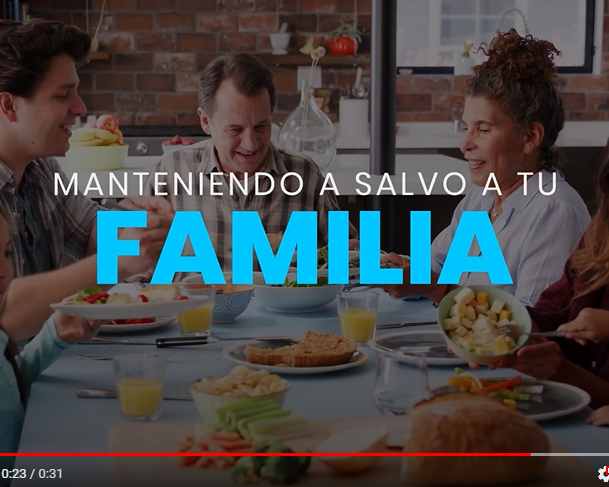
During a disaster, residents must be prepared to survive on their own for at least three days. Be ready for an emergency by making a disaster kit, creating a family plan, and staying informed. Information about all those self-preparedness tools at ready.gov and texasready.gov.
2022 Method of Distribution
CAPCOG is creating a Method of Distribution (MOD) for $52,253,000 in Community Development Block Grant (CDBG) Mitigation (MIT) funds for the Texas General Land Office. The funding will provide financial assistance for necessary expenses for activities related to Hurricane Harvey disaster relief, long-term recovery, restoration of infrastructure and housing, economic revitalization, mitigation, and affirmatively furthering fair housing in the most impacted and distressed areas in Bastrop, Caldwell, Fayette, and Lee counties. Please continue to check here for updates.
Preliminary MIT MOD, Conditionally Approved
The General Land Office conditionally approved the preliminary MIT MOD on Feb. 10, 2023. The MIT MOD will now be open for further public comment. CAPCOG will hold two public hearings to receive comments on the MIT MOD.
Read the preliminary, conditionally approved MIT MOD.
CDBG – MIT MOD Public Hearings – underway
CAPCOG will facilitate two public hearings on the conditionally approved MIT MOD to seek public input on the distribution of these funds.
The hearings will be:
- 2 to 4 p.m., Wednesday, March 22, 2023, at the Fayette County EMS Station, 1721 North Von Minden in La Grange
- 10 a.m. to noon, Thursday, March 23 in the CAPCOG Pecan Room, 6800 Burleson Road, Building 310, Suite 165 in Austin.
These hearing also will be offered virtually via Microsoft Teams for those that can’t attend in-person. To help ensure virtual access, CAPCOG asks people to register for the online events to receive an attendance link the day before the hearing.
Register to attend the March 22 public hearing virtually.
Register to attend the March 23 public hearing virtually.
Written comments on the MIT MOD may be emailed to glo-mod@capcog.org or mailed to the CAPCOG offices, 6800 Burleson Road, Building 310, Suite 165, Austin, Tx 78744 by 5 p.m. Friday, March 31, 2023.
After this public comment period ends, CAPCOG will compile the public input, draft the final MOD, and submit it to the GLO for final review and approval. Once approved by the GLO, CAPCOG will notify each jurisdiction of their award amount.
CDBG- MIT MOD Conjunto de audiencias Públicas – próximo
La División de Seguridad Nacional del Consejo de Gobiernos del Área de la Capital (CAPCOG) facilitará audiencias públicas sobre el Método de Distribución (MOD) para los fondos de Subvención en Bloque para el Desarrollo Comunitario – Mitigación (CDBG-MIT) por un total de $52,253,000 para proyectos en los cuatro condados del área de CAPCOG más afectados y en peligro (MID) por el huracán Harvey en 2017: condados de Bastrop, Caldwell, Fayette y Lee. El MOD preliminar ha sido aprobado condicionalmente por la Oficina General de Tierras de Texas (GLO) y CAPCOG está buscando la opinión del público sobre la distribución de estos fondos.
Se llevarán a cabo dos audiencias públicas sobre el Método de Distribución; la primera será de 2 a 4 p. m. el miércoles, 22 de marzo de 2023 en la estación EMS del condado de Fayette, 1721 North Von Minden en La Grange. La segunda será de 10 am a 12 pm el jueves 23 de marzo en CAPCOG Pecan Room, 6800 Burleson Road, Building 310, Suite 165 en Austin. Los comentarios por escrito sobre el MIT MOD pueden enviarse por correo electrónico a glo-mod@capcog.org o enviarse por correo a las oficinas de CAPCOG antes de las 5 p. m. del viernes, 31 de marzo de 2023.
Después de que finalice este período de comentarios públicos, CAPCOG compilará los comentarios públicos, redactará el MIT MOD final y lo enviará al GLO para su revisión y aprobación final. Una vez aprobado por GLO, CAPCOG notificará a cada jurisdicción el monto de su adjudicación.
Previous MIT MOD Work
MIT MOD Public Participation
To encourage maximum public participation in the MOD process, CAPCOG drafted a public participation plan, which was accepted and approved by the Texas General Land Office. The plan calls for multiple public hearings prior to drafting the MOD and after the MOD is drafted.
Read the Public Participation Plan.
MIT MOD Public Planning Comment Period – Presentation
CAPCOG presented information about the MOD process and the CDBG-MIT funding to be received by the four counties during its Public Input Hearings on May 9 and May 13. The presentations at the meetings discussed actions that would be taking draft the MOD and eligible and ineligible project activities.
MIT MOD Public Planning Comment Period – Completed
CAPCOG has opened a comment period for the drafting of the MIT MOD. It will close at 5 p.m., May 13, 2022.
CAPCOG will conduct two public hearings and accept written comments to gather public input on creating the MIT MOD. The meetings will be held both virtually and in person. To attend the meeting virtually, CAPCOG is requesting people register, so it may provide meeting access information prior to the event. Click the meetings times below to register:
noon-1 p.m. Monday, May 9, 2022, in the CAPCOG Pecan Room, 6800 Burleson Road, Austin, TX 78744
Information for joining the meeting virtually will be posted closer to the meeting date. There is no reason to register to attend the meeting in person.
CAPCOG will provide for reasonable accommodations at its public meetings upon request. Requests from persons needing special accommodations or non-English speaking accommodations should be emailed to GLO-MOD@capcog.org 48 hours before the meeting.
Written comments can be submitted via email to GLO-MOD@capcog.org or by mail and must be received by 5 p.m., Friday, May 13, 2022. Address mail as follows:
ATTN: CAPCOG Hurricane Harvey CDBG-MIT
CAPCOG
6800 Burleson Rd, Bldg. 310, Suite 165
Austin, TX 78744
AVISO DE AUDIENCIA PÚBLICA MÉTODO DE DISTRIBUCIÓN DE CAPCOG PARA EL CBDG-MITIGACIÓN DEL HURACÁN HARVEY DE 2017
El Consejo de Gobiernos del Área de la Capital (Capital Area Council of Governments [CAPCOG]) está buscando aportes públicos y comunitarios para crear un Método de Distribución (Method of Distribution [MOD]) para $52,253,000 en fondos de Mitigación de Subsidios en Bloque para el Desarrollo Comunitario (Community Development Block Grant Mitigation [CDBG-MIT]), lo cual brinda asistencia financiera para los gastos necesarios para las actividades relacionadas con la asistencia de desastre del Huracán Harvey, recuperación a largo plazo, restauración de infraestructura y vivienda, revitalización económica, mitigación y fomento de vivienda justa afirmativo en las áreas más afectadas y en apuros en los condados de Bastrop, Caldwell, Fayette y Lee.
Se aceptarán los comentarios escritos y orales sobre el MOD del público en las audiencias públicas que están programadas para:
- 12-1 PM, lunes, 9 de mayo de 2022, en CAPCOG Pecan Room, 6800 Burleson Road, Building 310, Suite 165, Austin, TX 78744; y
- 2-3 PM, viernes, 13 de mayo de 2022, en la estación EMS del condado de Fayette, 1721 North Von Minden Road, La Grange, TX 78945.
También, las audiencias se ofrecerán virtualmente a través de Microsoft Teams. CAPCOG recomienda que se registre para las audiencias virtuales para recibir el enlace de Teams en https://www.capcog.org/divisions/homeland-security#hurricane-harvey. El día anterior de las audiencias programadas se enviará un enlace a la audiencia virtual por correo electrónico.
Los comentarios escritos se pueden enviar antes de las 5 PM, viernes, 13 de mayo de 2022, por correo electrónico a glo-mod@capcog.org o por correo postal de USPS a CAPCOG, 6800 Burleson Rd, Bldg. 310, Suite 165, Austin, TX 78744, ATTN: CAPCOG Hurricane Harvey CDBG-MIT.
CAPCOG proporcionará adaptaciones razonables en sus audiencias públicas a pedido. Las solicitudes de personas que necesiten adaptaciones especiales o que no hablan inglés deben comunicarse 48 horas antes de la audiencia con CAPCOG por correo electrónico a glo-mod@capcog.org o llamando a 512-916-6000.
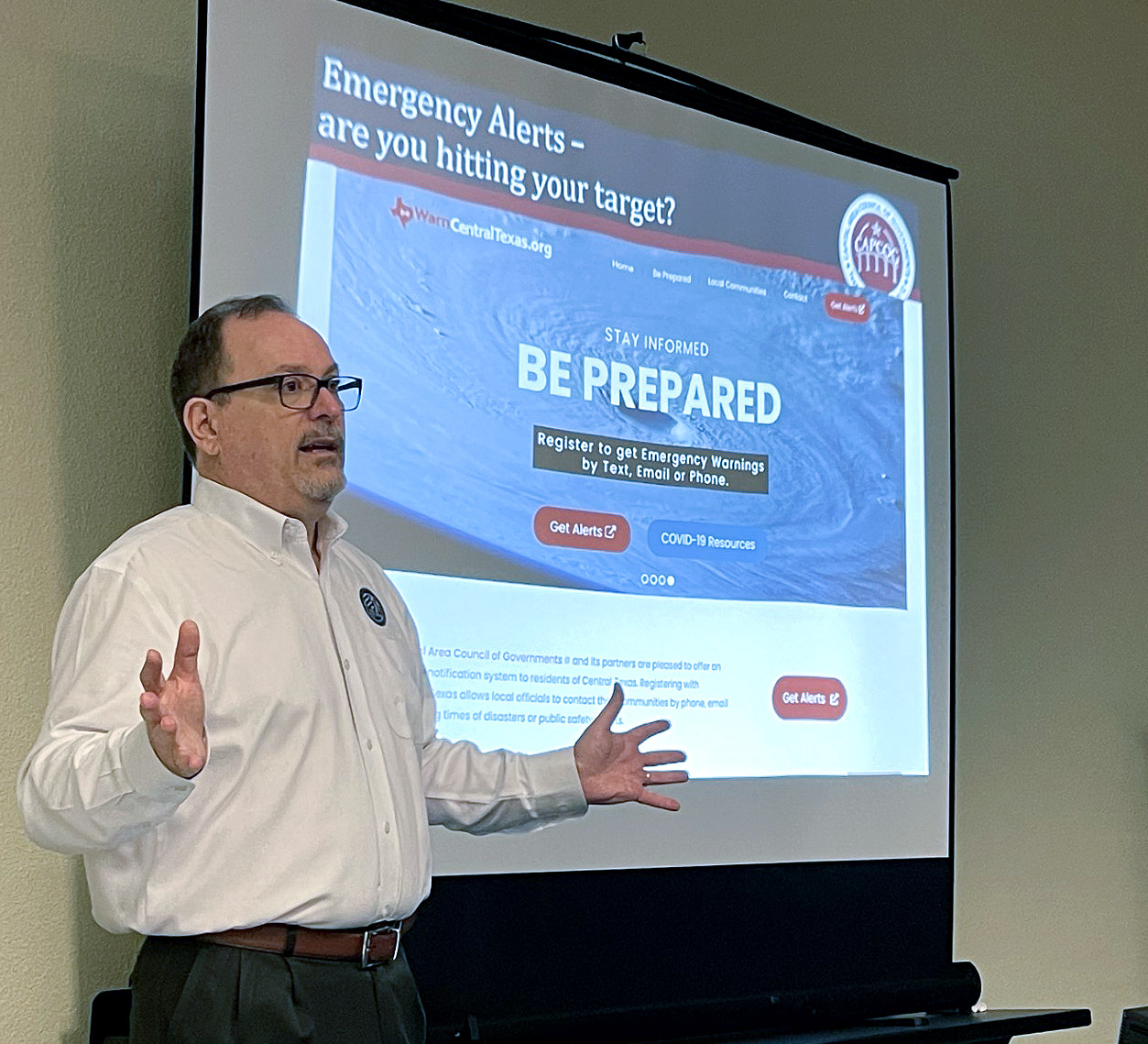
 The CAPCOG and nearly all the local jurisdictions in the 10-county region use a regional notification system (RNS), WarnCentralTexas.org, as a crucial public-safety tool to send local alerts to residents and visitors of the region. The web-based tool is available throughout the region to alert the public to emergency and non-emergency situations. It is effective at notifying a either a small or large number of people in a very specific area or a very large geographic location in a short period of time. Messages may include content such as incident-specific information, recommended protective actions or response directives. Messages can be delivered to any device that accepts phone calls, email or SMS text as well as alpha or numeric pagers.
Regional partners that use RNS can send voice messages to landline phones using CAPCOG’s 9-1-1 database. However, residents and CAPCOG region visitors must register cellphone numbers and email addresses to receive notifications on mobile devices and computers.
Register today or update your information.
In addition to alerts sent by local jurisdictions, WarnCentralTexas.org user can choose to receive automated warnings from the National Weather Service about tornados, severe thunderstorm or flash flood and other weather events.
Use and Training
Messages sent through WarnCenteralTexas.org are developed by the local jurisdictions often by emergency management, police, emergency telecommunicator or public information officer personal. During a message’s creation, the sender identifies its recipients and determines whether messages are sent via phone call, text message or email.
CAPCOG sets the criteria for who can use the RNS and can access various aspects of the tool’s operations. It provides operational training to the same individuals and establishes best practices for drafting the local alerts at the direction of local government stakeholders and the systems users.
The RNS Organization Administrators and their determined users can review the CAPCOG RNS Required Document and Training Guide to determine what level training each user should complete based on their access to the system.
CAPCOG is not responsible of drafting or sending individual messages and can’t release information or details about an individual message, to whom it was sent, or when it was sent. To clarify or comment on a particular message or its delivery, please call the local government which distributed the local alert. It most case, those receiving messages can login to accounts to review a local alert that is still active in their area.
Participate in public outreach
Continuing to encourage self-registrations for cellphone users plays an invaluable role in ensuring messages from WarnCentralTexas.org can reach as many people as possible. CAPCOG and its regional partners have developed materials to help promote and increase self-registration that any community or person is welcome to use. CAPCOG and it is regional partners will continually update its public outreach materials, so check back often.
Regional Mutual Aid Plan
The Capital Area Regional Mutual Aid Plan establishes guidelines for making available the appropriate resources at the appropriate time in response to large-scale, emergency management incidents as they develop. Covering all 10-counties in the CAPCOG region and the Capital Area Trauma Regional Advisory Council 11-county region, the plan provides guidance for the coordination of many different types of available local, public resources needed for a regional response. It addresses the system of requesting, locating, and mobilizing those resources and the coordination of their deployment before and after substantial state, federal or distant local resources can arrive. CAPCOG’s Executive Committee approved the plan in September 2015. The mutual aid plan is inclusive of both local governments that have adopted the Capital Area Mutual Aid Agreement, approved in 2006, and others organizations not serviced through the Mutual Aid Agreement. Other political subdivisions, nonprofits, and private sector organizations can partake in the plan.
Read the Capital Area Regional Mutual Aid Plan.
Mass Fatality Response Plan
CAPCOG and multiple stakeholders developed the CAPCOG Mass Fatality Response Plan to offer guidance to all public safety responders within the region’s 10-county area. The plan outlines a shared approach for multi-jurisdictional, multi-agency response efforts to incidents resulting in significant numbers of fatalities. It is intended to provide clear, practical guidance for responding to such incidents. The plan lays out the operational concepts, roles, authorities, protocols, and resource requirements unique to mass fatality incidents (MFI). It helps facilitate inquests, remains recovery and appropriate disposition through a structured approach. A MFI occurs when the number and/or condition of human remains challenges local fatality management capabilities, so the local jurisdictions must require assistance to perform remains recovery, morgue services and disposition of victims. Such incidents can occur with little or no warning and use resources and procedures beyond those employed in day-to-day response. CAPCOG’s Mass Fatality Response Plan includes the following and more information:
- A MFI quick action guide
- Definitions of situations and assumptions
- A description of concept of operations
- Definitions of assignments by responsibilities
- Information on how to handle plan development and plan maintenance
- A quick reference guide to MFI operations
- A recovery unit guide
- Guidance for operating a family assistance center unit
Download the Capital Area Mass Fatality Response Plan
Download the Capital Area Mass Fatality Response Plan Attachment 15: Forms
Other Plans and Reports
Regional Assets
Strike Teams
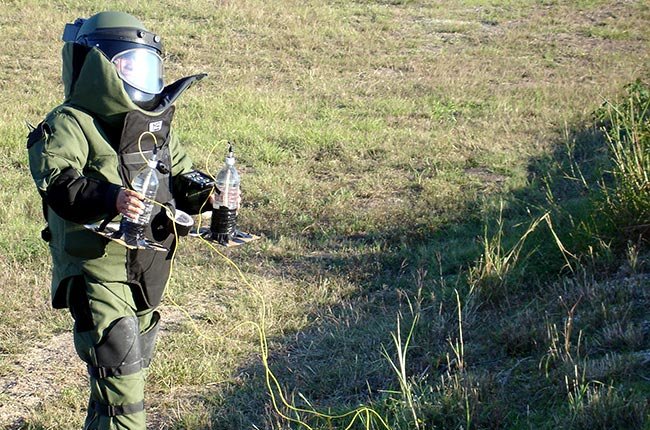
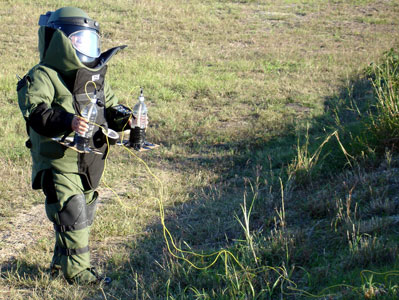
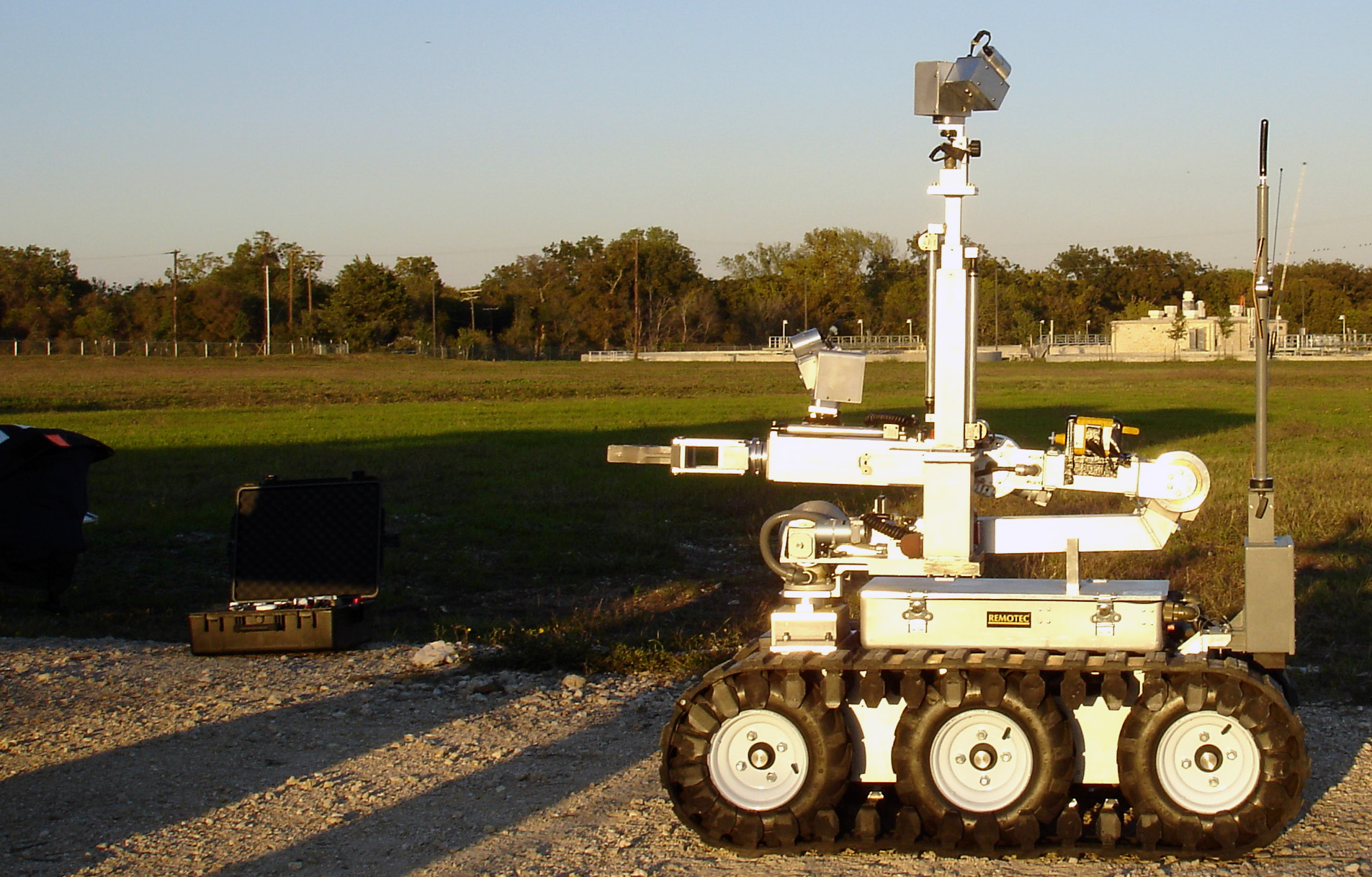
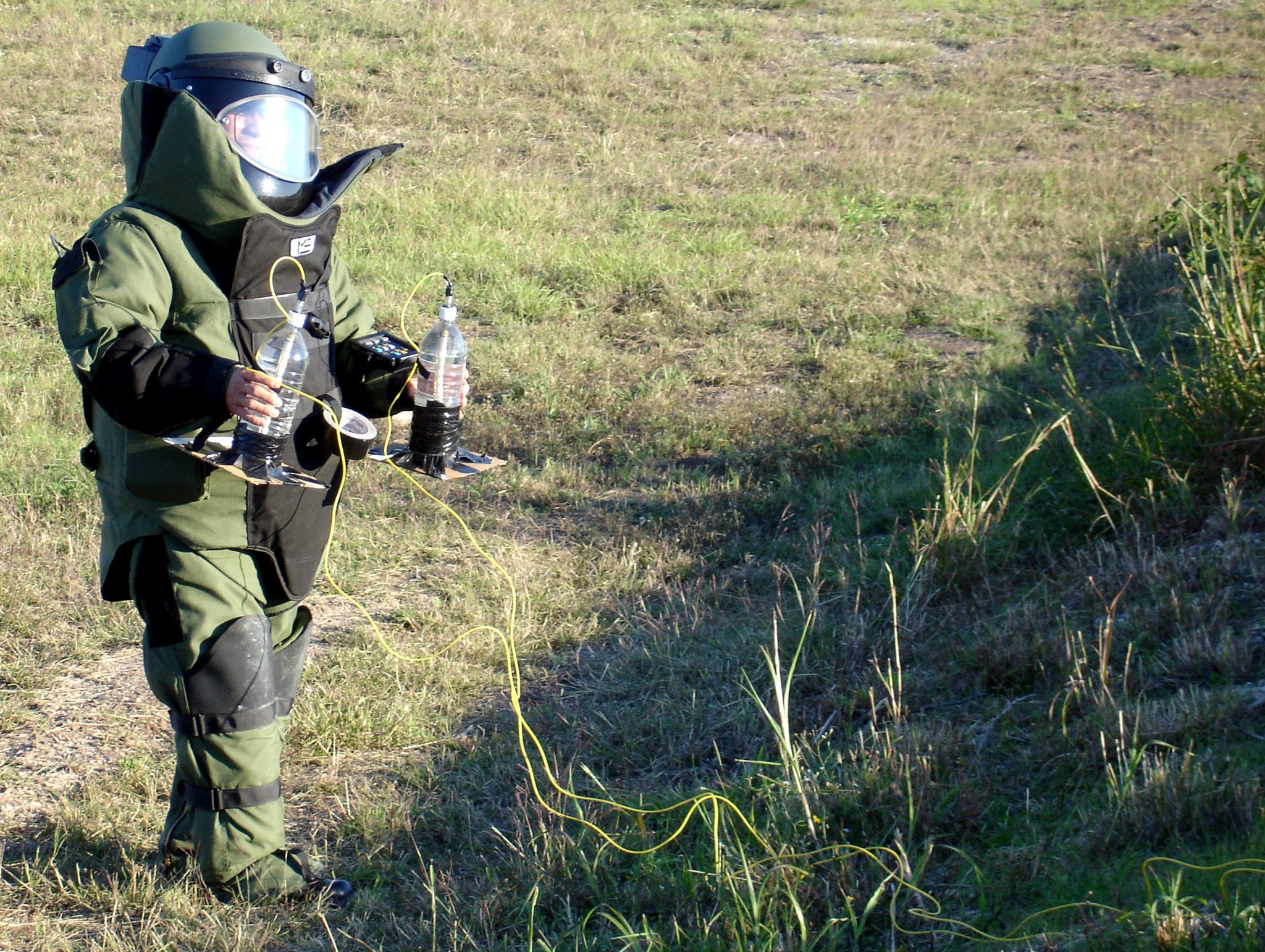
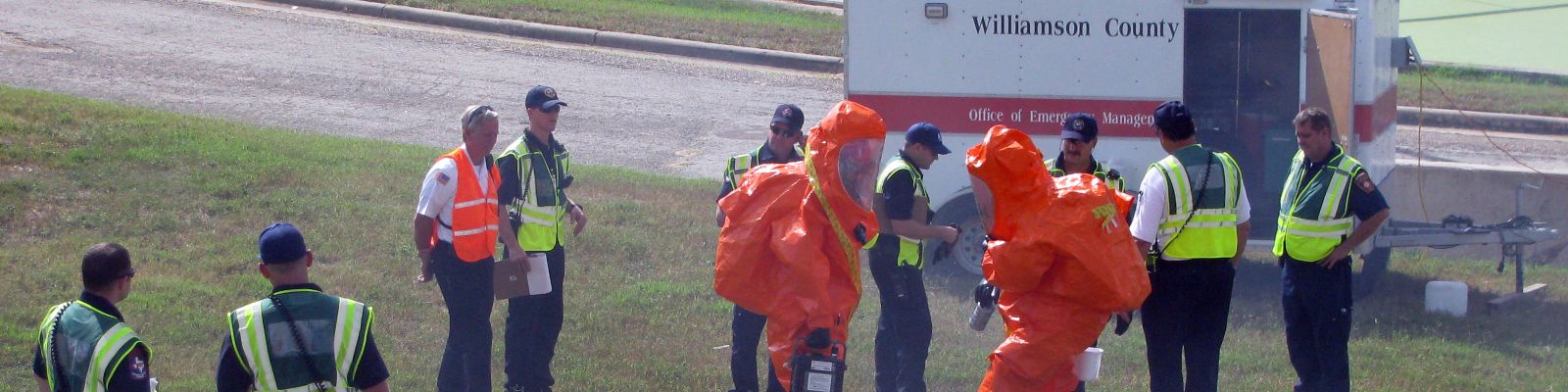
There are currently three strike teams within the CAPCOG region, whose primary purpose is to provide highly technical response to weapons of mass destruction (WMD) events within the CAPCOG region. The teams are comprised of personnel from hazardous material, law enforcement and medical disciplines, and are located in: Hays County, Williamson County, and the City of Austin. In addition to these three teams, the Austin Police Department Bomb Squad provides a response with all team deployment as does the Regional Mobile Communication Vehicle. The Strike Teams will only respond to incidents that are categorized as catastrophic WMDs or terrorist attacks. A detailed screening and dispatching procedure has been developed in an effort to ensure these resources are utilized to their fullest capabilities. For more information, please visit the website for the Regional Strike Team Equipping and Training at www.r-e-s-e-t.org.
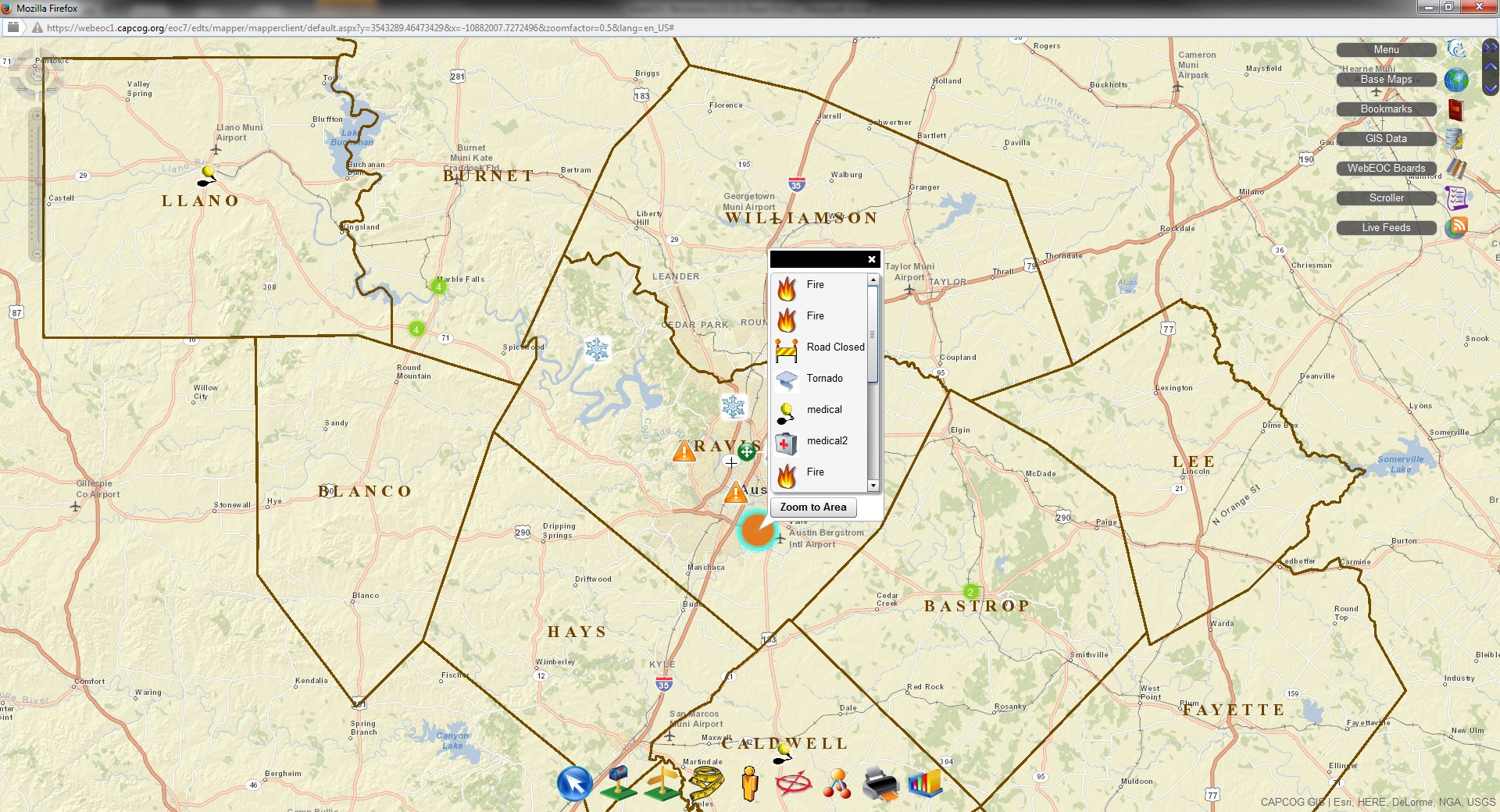
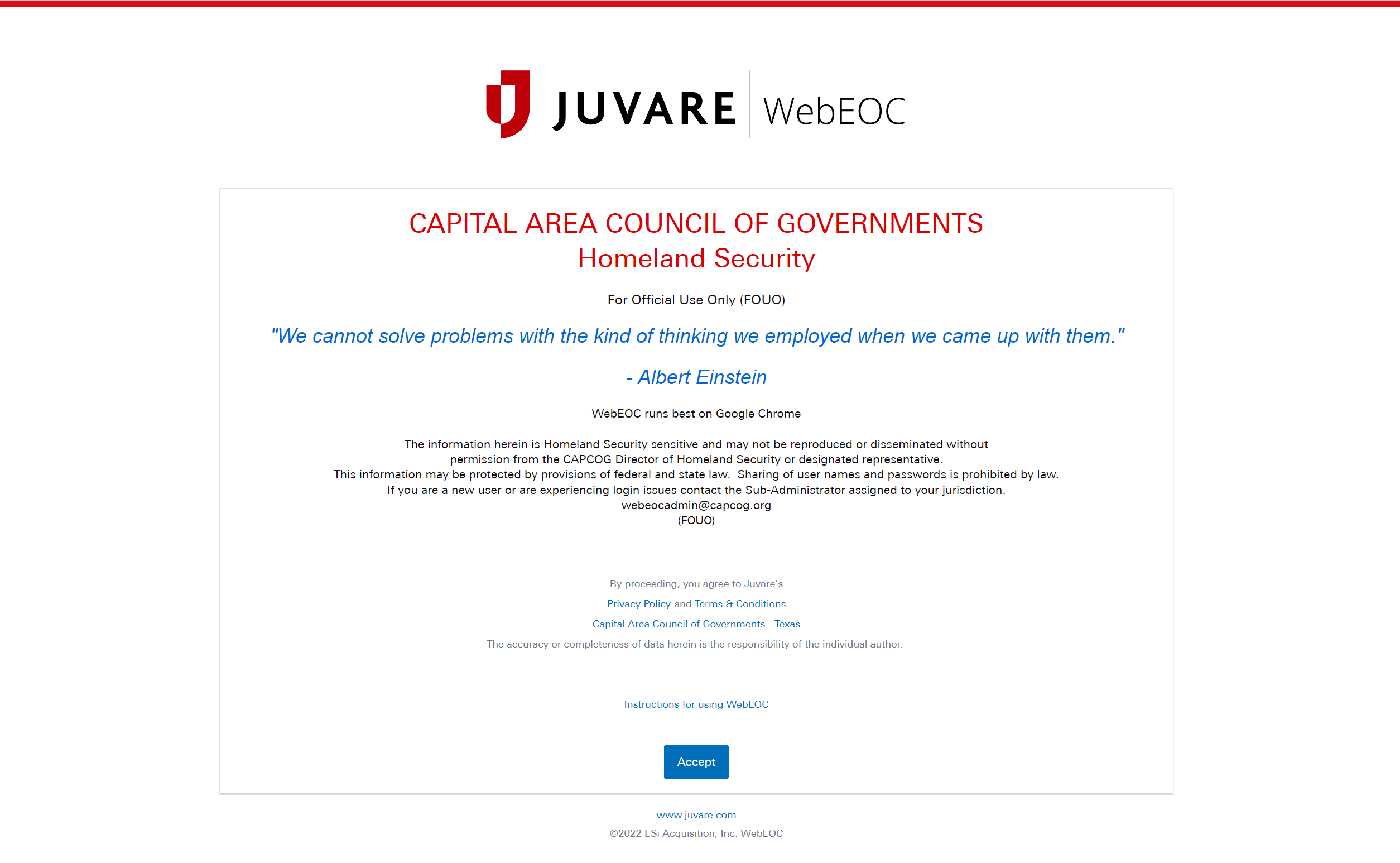
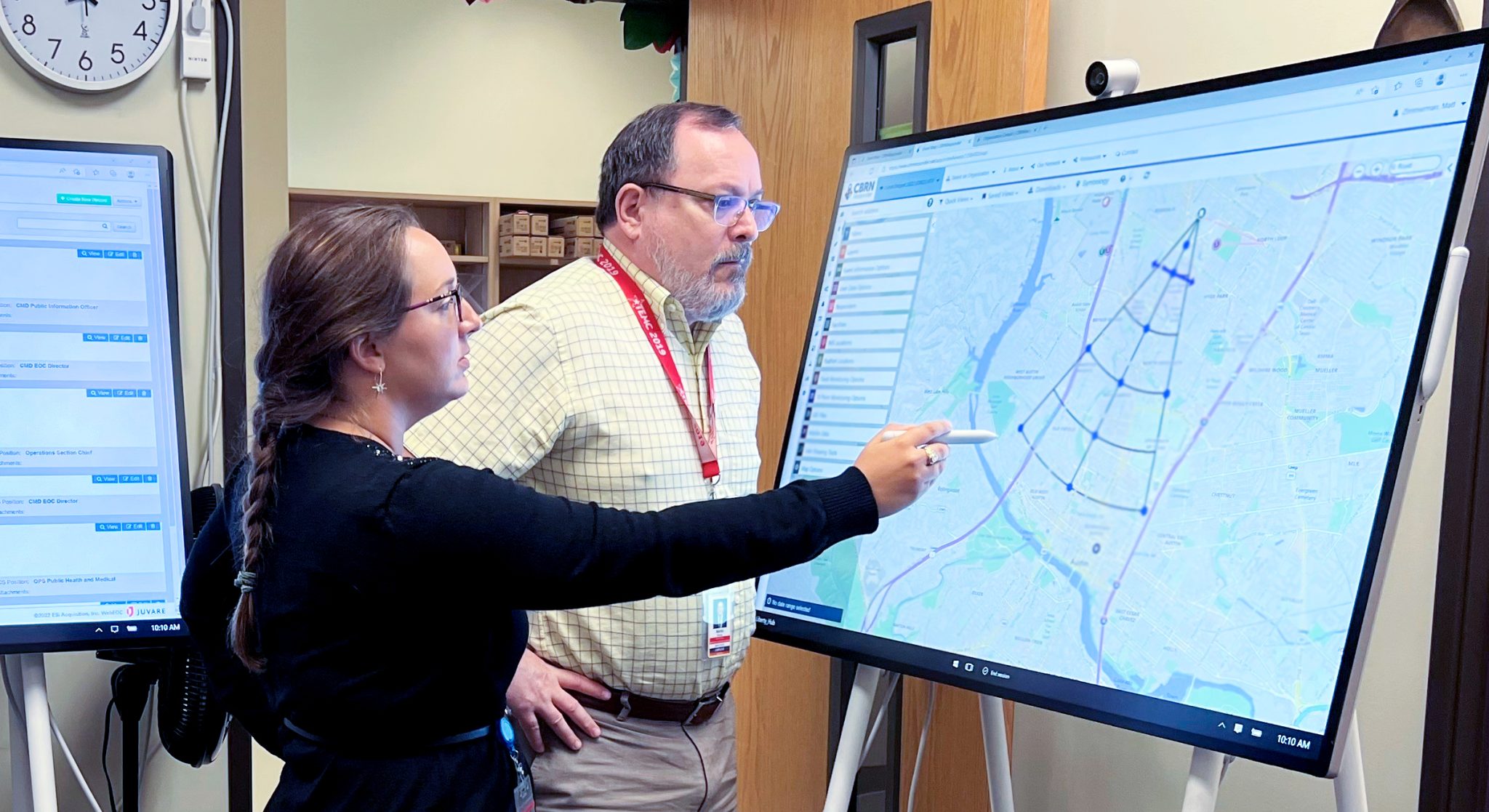
WebEOC is an internet-based platform allowing for secure and real-time sharing of information related to management of emergencies among emergency management personnel, first responder agencies and cooperating organizations.
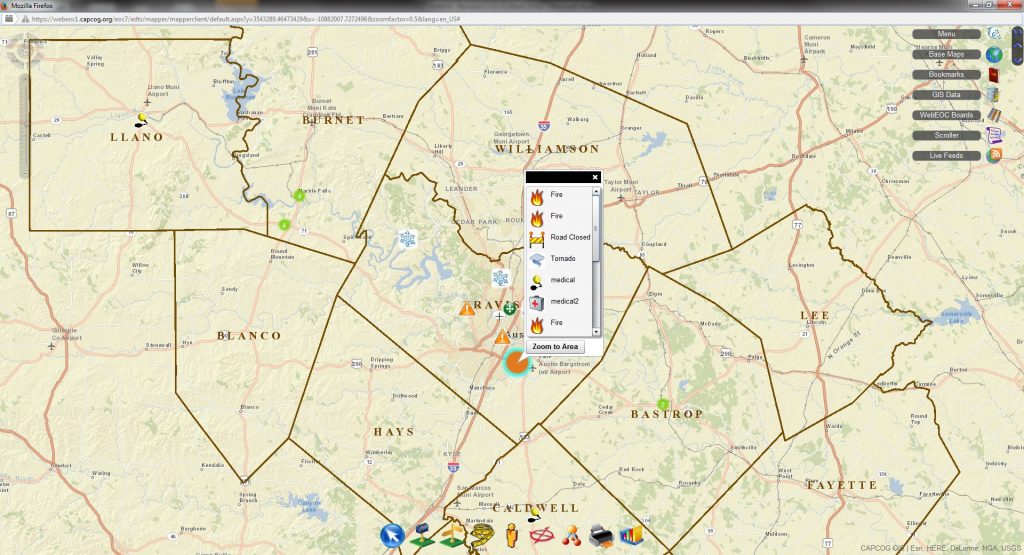
CAPCOG provides and maintains WebEOC as a communications and response tool for emergency management coordinators and first responders throughout the region. As a tool, it allows emergency management personnel to provide and view information about incidents occurring in other jurisdictions. Using WebEOC lets agencies track the allocation of local resources regionally to improve response to disasters and terroristic threats. It also allows other emergency centric institutions — such as hospitals, health departments, and various city departments — to be alert of situations and prepare their own response. CAPCOG establishes the WebEOC policies and procedures used by its 10-county region —Bastrop, Blanco, Burnet, Caldwell, Fayette, Lee, Llano, Hays, Travis and Williamson counties, so all organizations can have a standard operating procedure throughout the region for using the tool.
WebEOC Training and Use
CAPCOG trains users how to operate WebEOC and also helps facilitate the use of the tool during mock and live events. The COG also maintains the interface programing of WebEOC to make sure its functionality meets the demands of all jurisdictions and emergency agencies in the region. Training is provided on an as needed basis and can be requested by any of the partnering municipalities and counties. CAPCOG holds meetings to discuss training and the use of. The implementation of WebEOC and its policies of use are discussed and reviewed by CAPCOG advisory committees to include the Homeland Security Task Force, which is made of emergency management and public safety personnel from around the region.
Contact CAPCOG Homeland Security to learn about joining the user group meetings.
Find training a list of available training courses for WebEOC